
For Owners Corporations & Committees
Finally an EV charging solution that works for the whole building
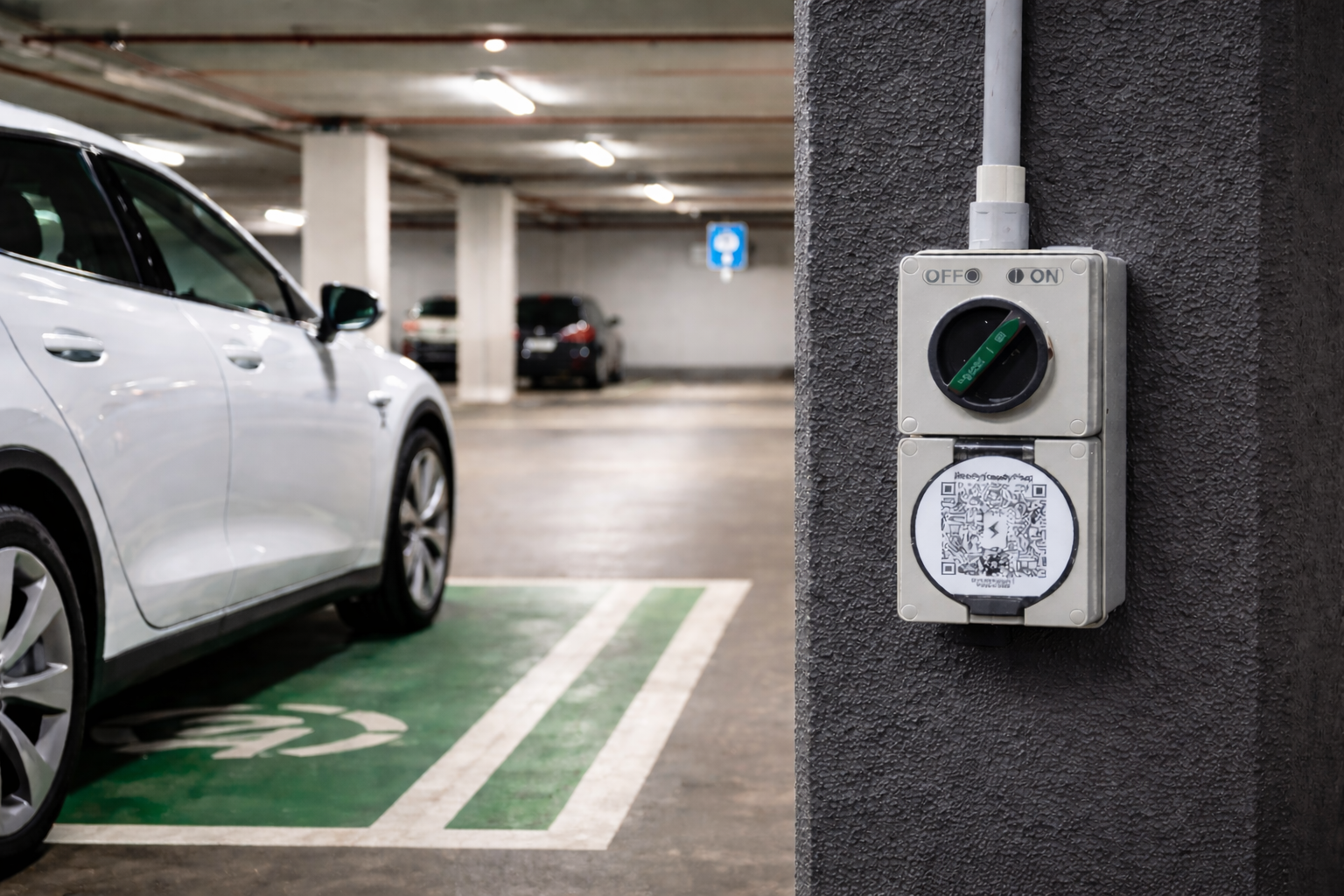
Ready Steady Plug enables EV charging in strata buildings without overloading infrastructure or shifting costs onto non-EV owners.
The challenge
As more residents adopt electric vehicles, Owners Corporations are expected to provide charging access that is fair, safe, and future-ready.
Most EV charging solutions often require high upfront investment, complex electrical upgrades, and ongoing administration. They can also create disputes around electricity costs and long-term responsibility.
How Ready Steady Plug works
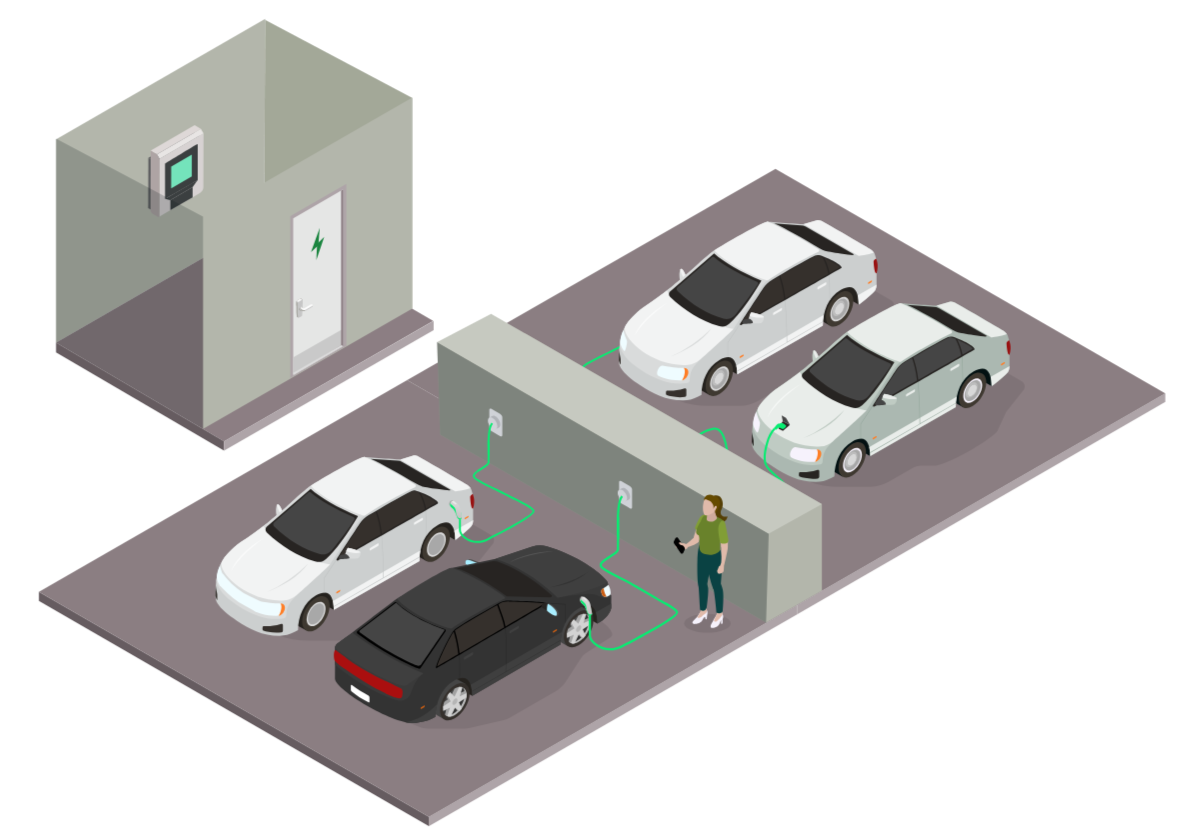
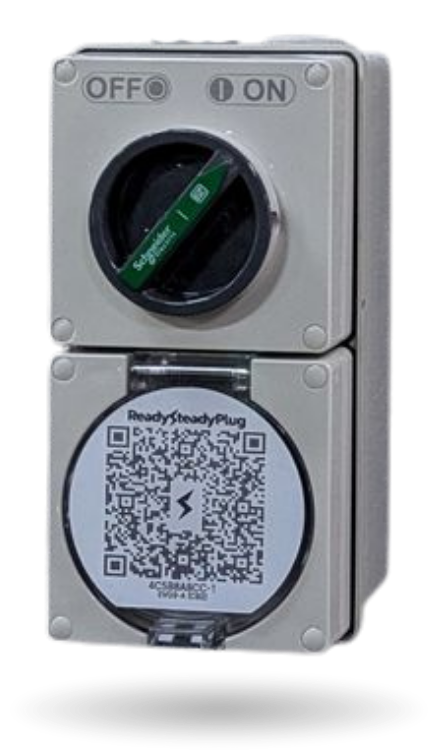
Ready Steady Plug is a managed EV charging system built around standard 15A power outlets and centralised control.
Charging is monitored and adjusted across the entire building to stay within safe electrical limits. Each outlet is individually metered, protected, and billed, ensuring fairness between residents.
What this means in practice
The system is designed to grow with demand, without committing the building to unnecessary infrastructure upfront.
-
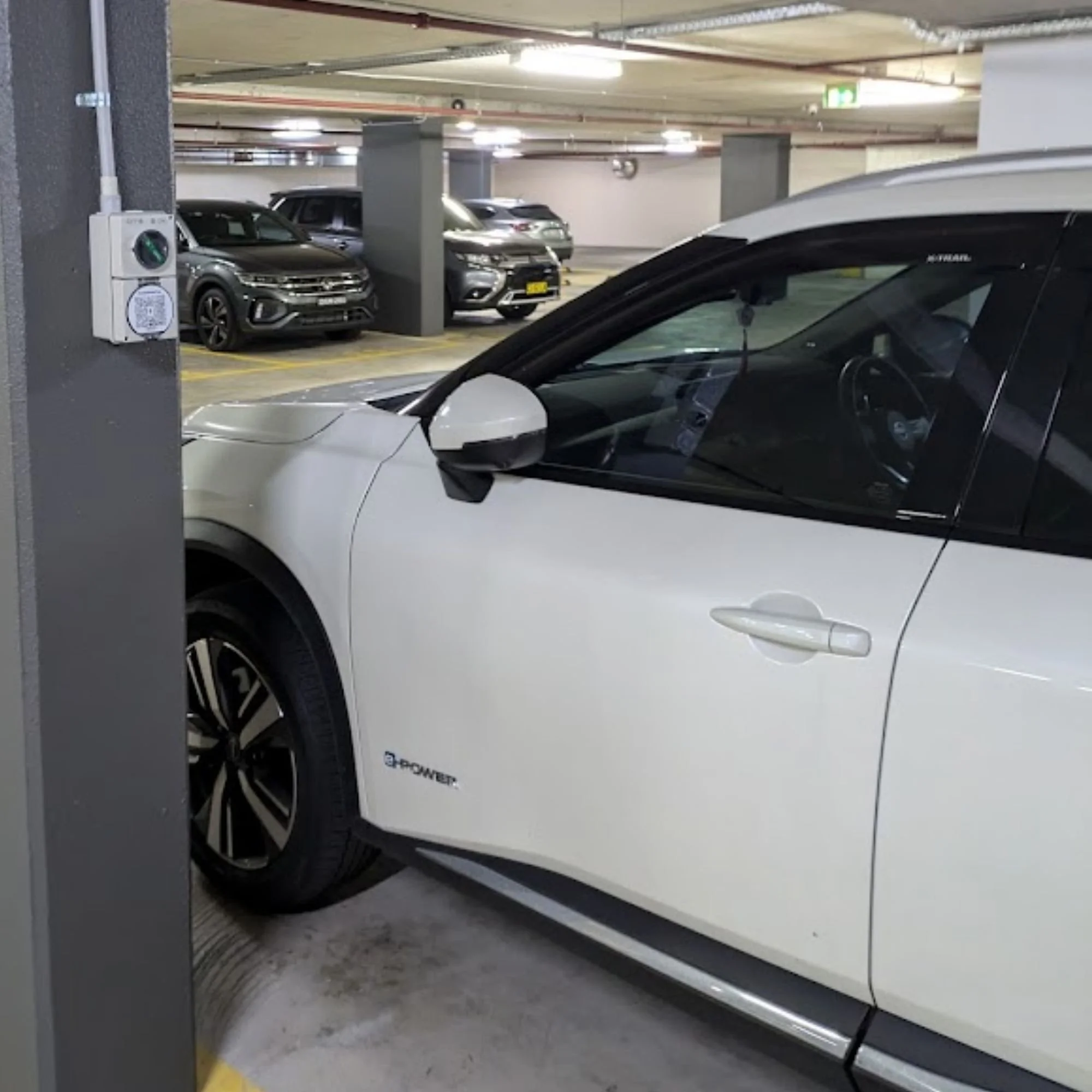
Charging operates within existing electrical capacity, with load managed automatically to prevent demand spikes.
-
The modular setup allows infrastructure to be added progressively, aligning costs with actual EV adoption.
-
Active load management reduces long-term electrical risk and protects existing building electrical infrastructure.
-
The system uses standard electrical components with no vendor lock-in, keeping future options open.
The ReadySteadyPlug ecosystem
Secure charging
Standard 15A outlets with controlled access, energy metering, and user billing.
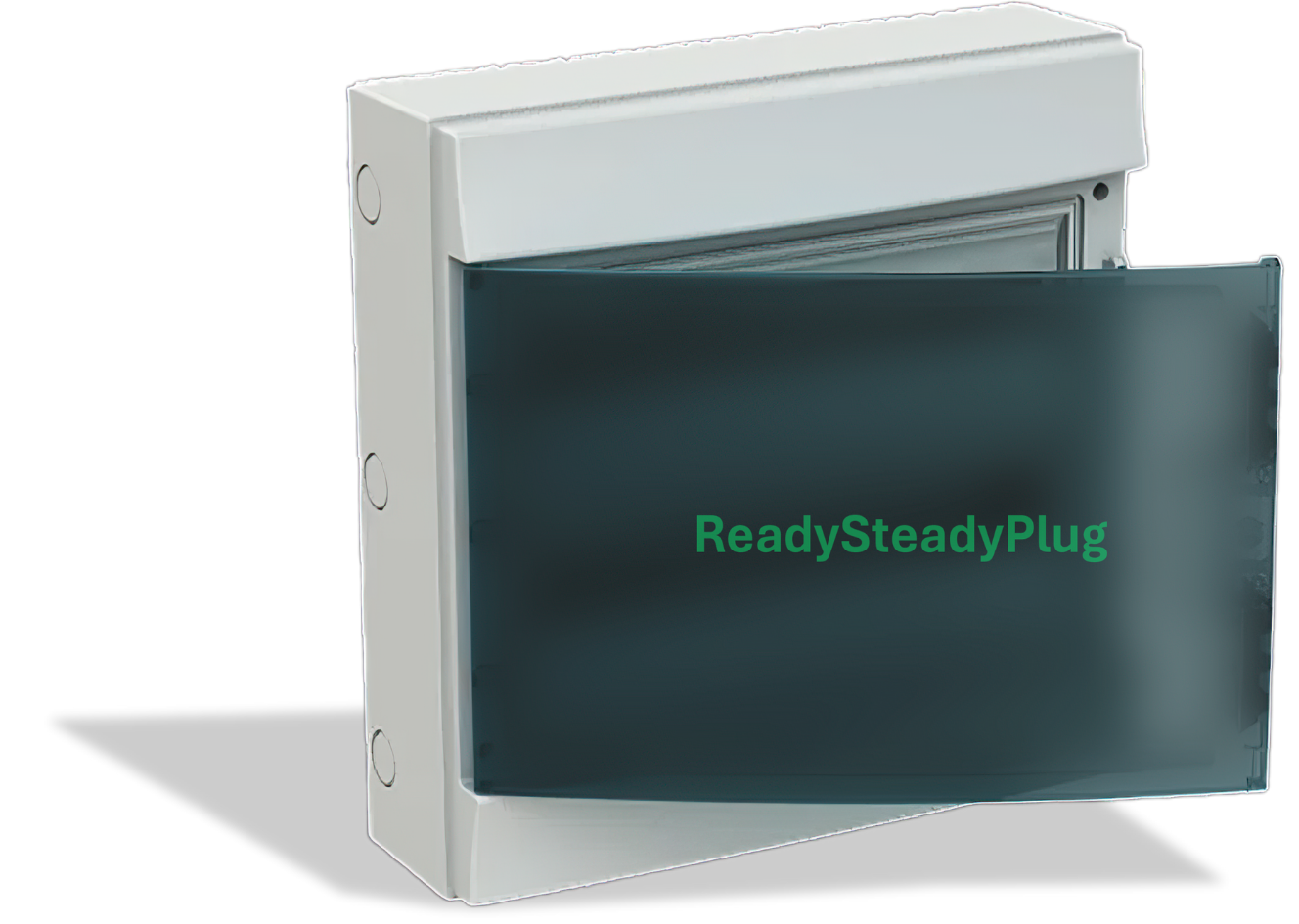
Centralised control
A controller manages charging across the building and prevents electrical overload.
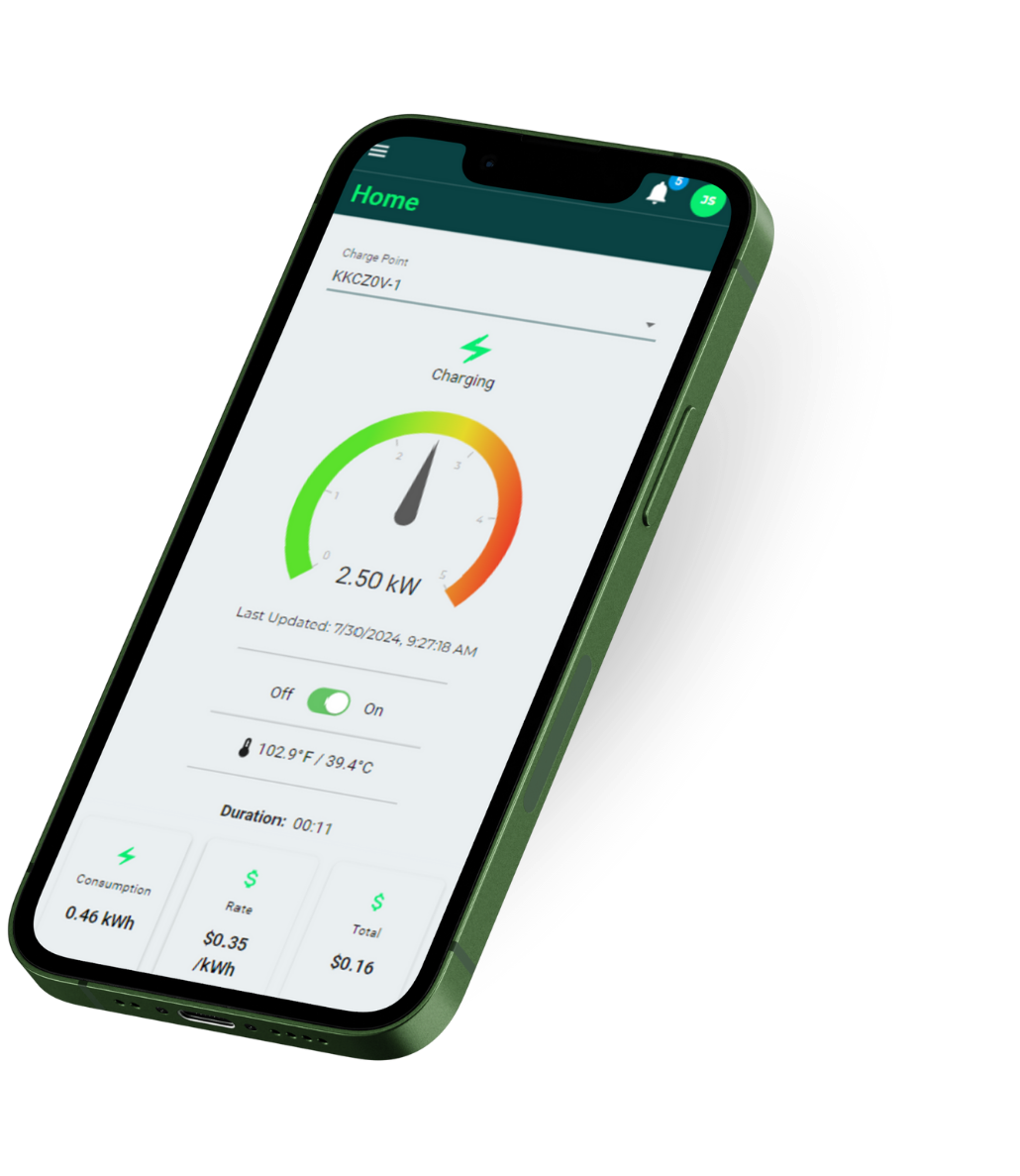
User-Friendly App
Residents track usage and billing. Managers monitor and manage the system remotely.
Case Studies
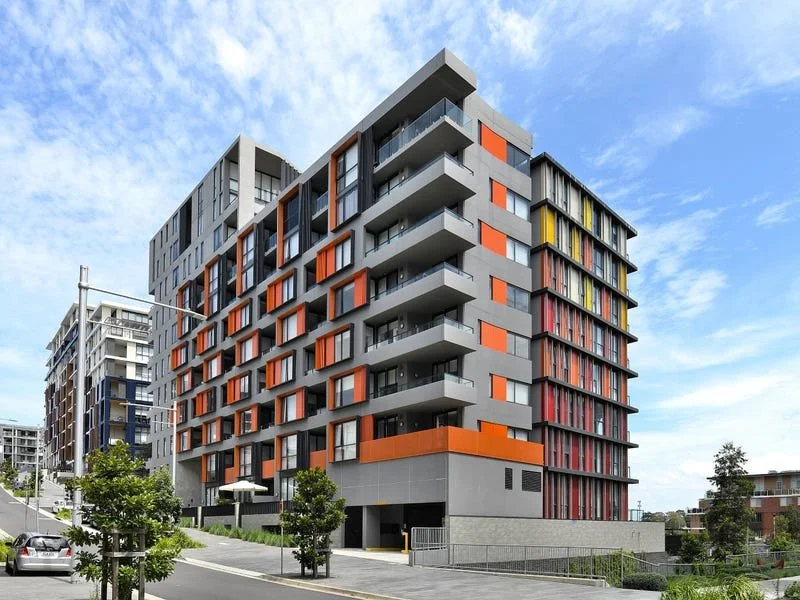
Meadowbank, NSW
Multi-level basement charging delivered to 154-lot Meadowbank strata with no Wi-Fi or mobile signal, fully managed at building level.
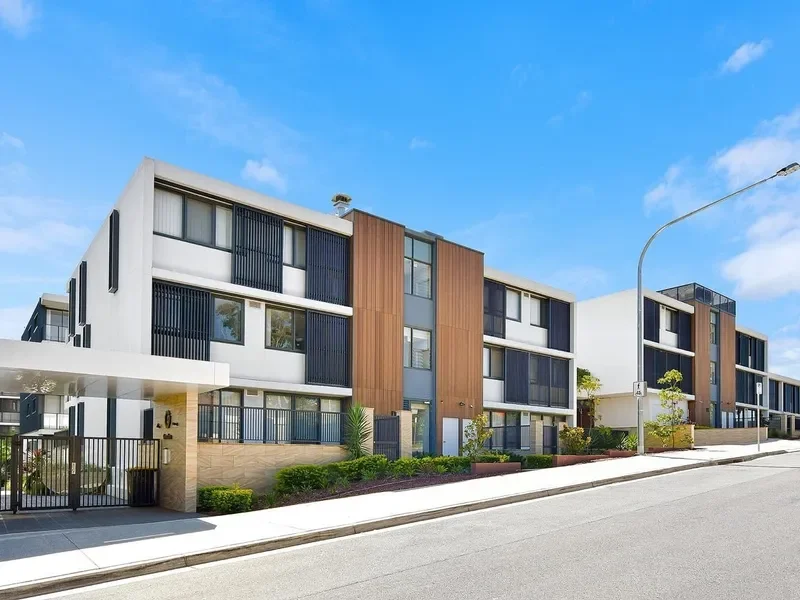
North Ryde, NSW
EV charging rolled out for a 160-lot North Ryde strata without major upgrades, starting small and designed to scale to full coverage.
Book a site visit
We assess your building’s electrical capacity, parking layout, and rollout options.
Frequently Asked Questions
-
The model is designed to remove the upfront cost from the Owners Corporation. At our 160-lot North Ryde installation, the OC cost was under $200 per lot. Individual residents who want to use the system pay around $800 to connect their parking space. Compare that to a typical Level 2 strata rollout, which can run $80,000 to $200,000 upfront for the building. Final figures depend on the building, and we provide a site-specific estimate before any commitment.
-
In NSW, EV charging is classified as Sustainability Infrastructure under Section 132B of the Strata Schemes Management Act. A sustainability infrastructure resolution passes with a simple majority (50% of votes cast) rather than the 75% special resolution threshold required for most major common property changes. From 1 July 2025, further reforms also prohibit by-laws blocking EV chargers on aesthetic grounds, with exceptions for heritage-listed buildings. Because the ReadySteadyPlug model is zero upfront cost to the OC, the resolution is also less contentious than a typical capex vote.
-
No. ReadySteadyPlug uses Dynamic Load Management to monitor the building's electrical capacity in real time and automatically adjust charging speeds to stay within safe limits. The system protects existing infrastructure rather than competing with it. We assess your building's actual capacity during the site visit.
-
Yes. Every outlet is individually metered. Residents who charge pay for their own electricity directly. Non-EV residents are not subsidising EV charging through common property electricity. This is the structural reason ReadySteadyPlug avoids the disputes that often follow Level 2 installations with shared billing arrangements.
-
ReadySteadyPlug uses standard electrical components and standard 15A outlets, with no proprietary hardware lock-in. The building keeps its options open. If a future committee decides to upgrade individual spaces to Level 2, the existing infrastructure does not need to be removed or wasted. Start with what makes sense for current demand.
-
For most people, yes. The average Australian drives about 30 km per day. Level 1 charging adds roughly 13 to 20 km per hour, which means an overnight charge delivers around 200 km of range, well beyond daily needs. Cars are parked at home roughly 80 percent of the time. For the small number of residents who need rapid charging, public DC fast chargers are increasingly available.
-
ReadySteadyPlug operates the system. The Owners Corporation does not take on long-term technical or operational responsibility. Maintenance, software updates, billing, and resident support are all managed by ReadySteadyPlug. The OC provides space for the equipment and approves residents to use it.
-
EV-ready buildings are increasingly viewed as more attractive to buyers and renters. As EV adoption grows, buildings without charging infrastructure may see reduced appeal compared to those that have it in place. ReadySteadyPlug allows the building to be EV-ready without the financial commitment of a full Level 2 rollout.